Shark Cage Diving with Great Whites!

IMG_0590 IMG_0611 IMG_0615 IMG_0617

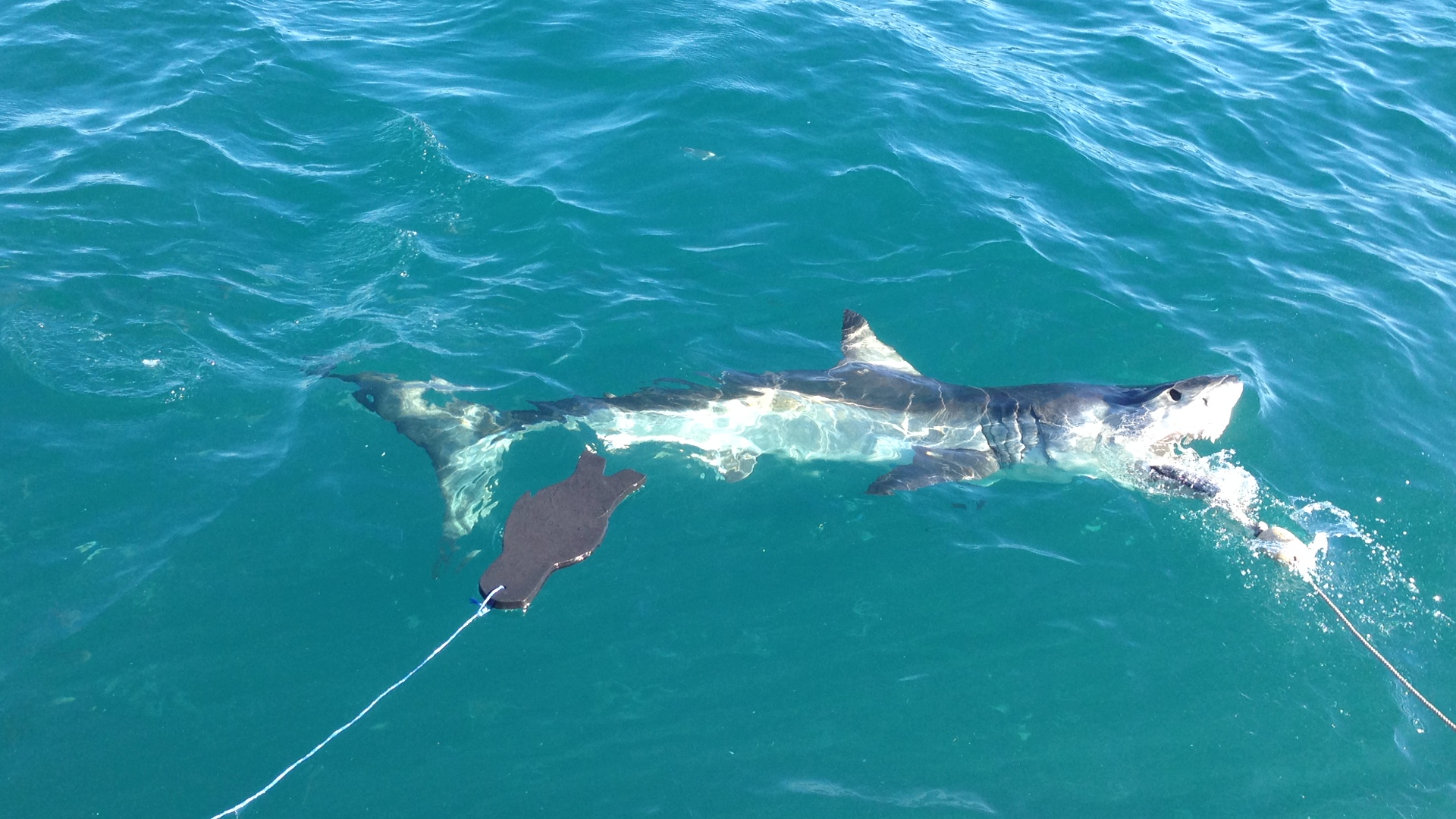
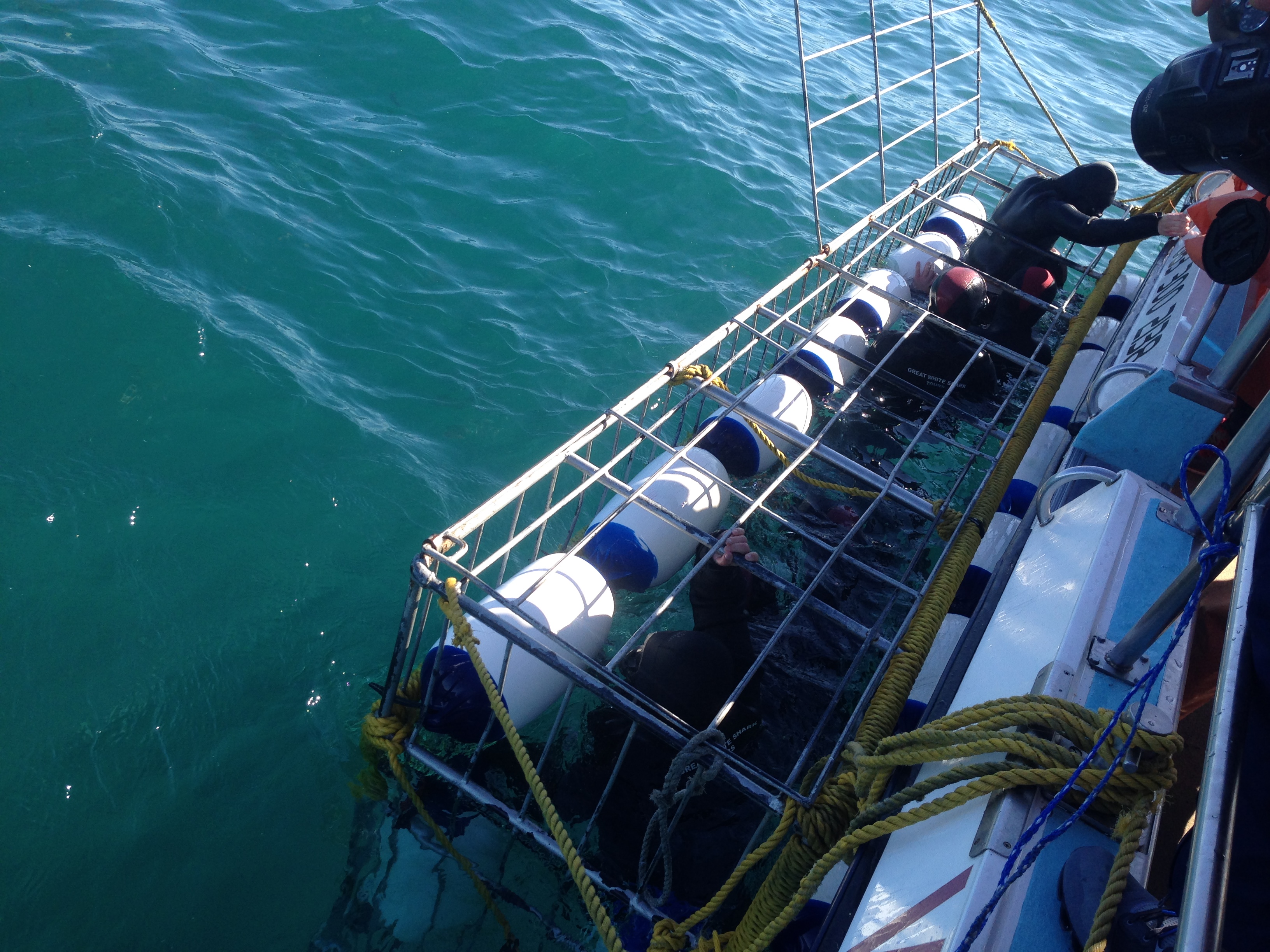
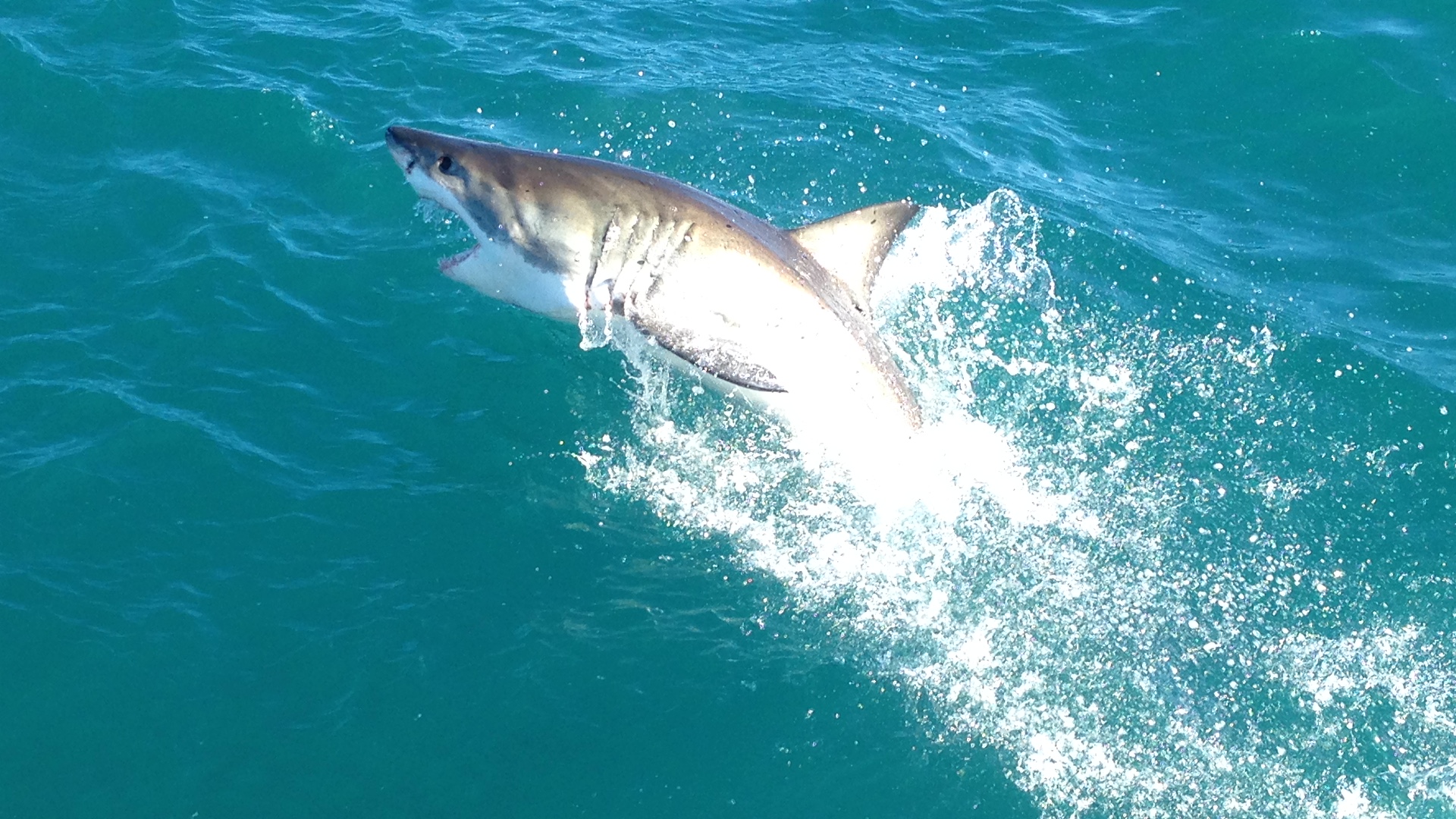
Yesterday I sat underwater enclosed in a cage that was being gnawed on by great white sharks. It was the coolest thing I’ve ever done.

South Africa is famous for their Great White Sharks. Just off the coast of Gansabaii Bay is Shark Alley. In the winter months they come to this area to feed off Cape fur seal pups, but year round there is a wide range of fish species too feed off of, so they are quite happy here in shark alley.

They have incredibly fined tuned senses. They can detect electro magnetic field of other animals in the water column from miles away by tiny gel filled pores located on their snout.

Most shark species are believed to be over 90% in decline. South Africa was the world’s first country to fully protect Great White sharks in 1991. Worldwide there are an estimated 100,000,000 sharks slaughtered annually. Their biggest threat is man. Long liners, trawler, and heavily destructive fishing gear destroys essential fish habitat and take sharks as by-catch. Shark fin soup is a delicacy and China and sells for a very high price. Trophy fishing and shark nets also accelerate the problem.


African Penguins

IMG_0556 IMG_0558

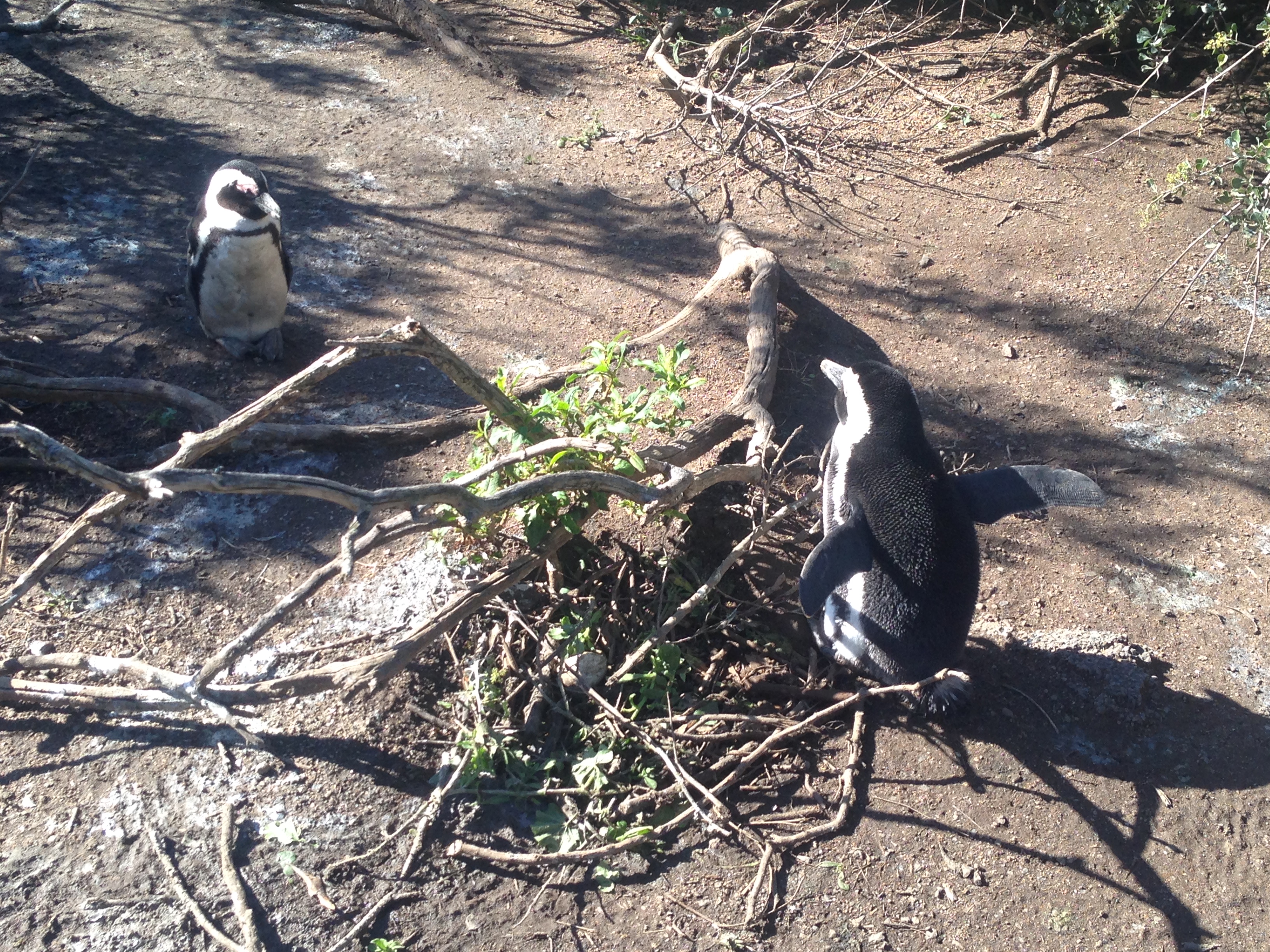
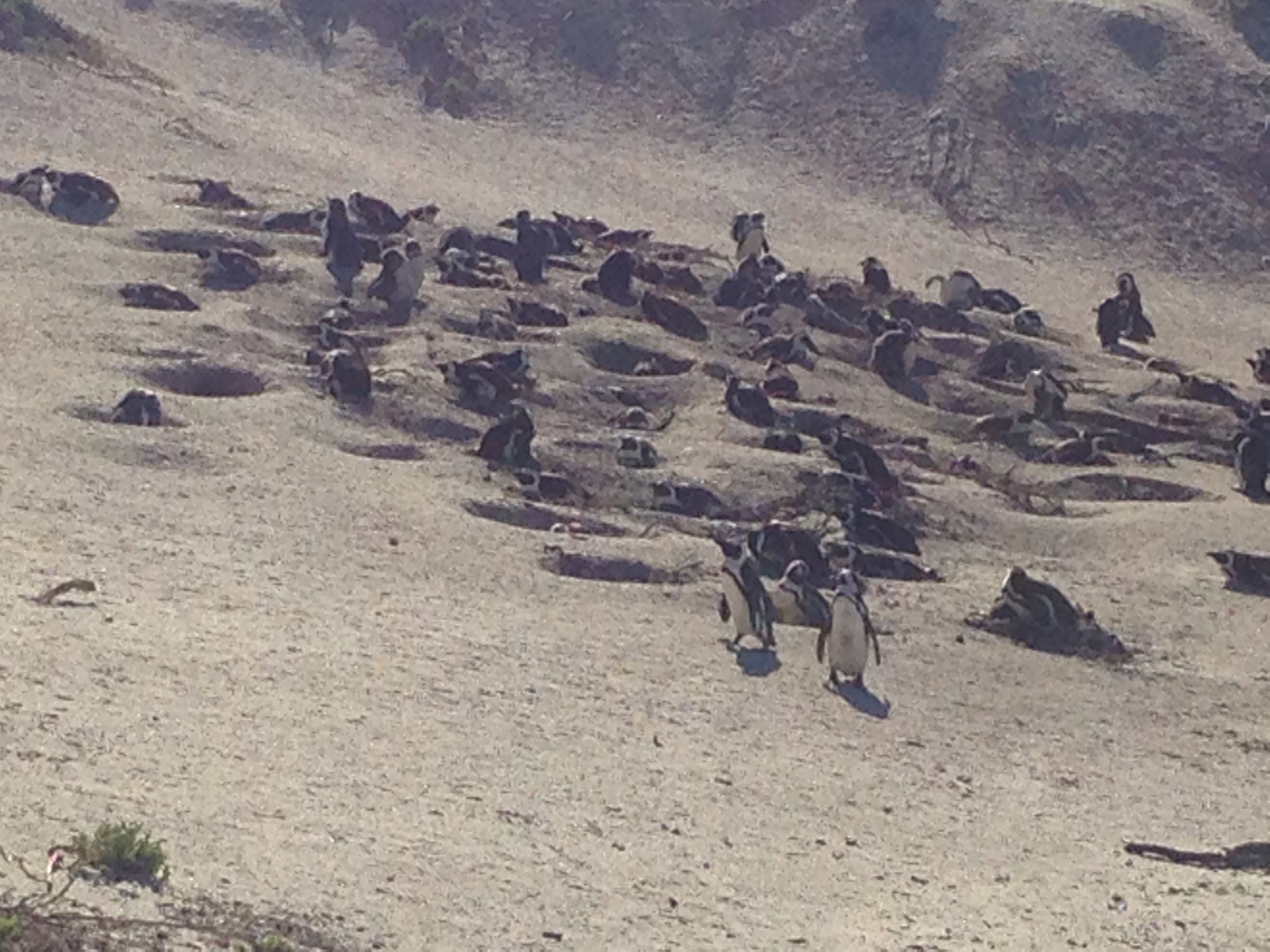
Yesterday we visited a Penguin Sanctuary located in Boulder Beach, just an hour or so from Cape Town. African Penguins are endangered species, of the 1.5 million estimated in 1910, only 10 % remain at the end of the 20th century.

-Swim at an average speed of seven kilometers per hour and can stay under water for 2 minutes.

-Their predators are sharks, seal, and sometimes killer whales. On land they are threatened by mongoose, domestic cats and dogs, and the Kelp Gulls, who steal their eggs and new born chicks.

-Their black and white coloring acts as a form of camouflage. White is for underwater predators looking upwards and black is for predators looking down into the water.


-They are and endangered species

St. George’s Cathedral and Desmond Tutu

Desmond Tutu became the first black archbishop of Cape Town. He was one of the most recognizable faces in the fight against apartheid. From the steps of St. George’s Cathedral he led a demonstration of more than 30,000 people and coined the phrase “Rainbow Nation” to describe the wonderful diverse people of South Africa.
Desmond Tutu became the first black archbishop of Cape Town. He was one of the most recognizable faces in the fight against apartheid. From the steps of St. George’s Cathedral he led a demonstration of more than 30,000 people and coined the phrase “Rainbow Nation” to describe the wonderfully diverse people of South Africa.


Nelson Mandela’s Cell

IMG_0463 IMG_0468

“For to be free is not merely to cast off one’s chains, but to live in a way that respects and enhances the freedom of others”

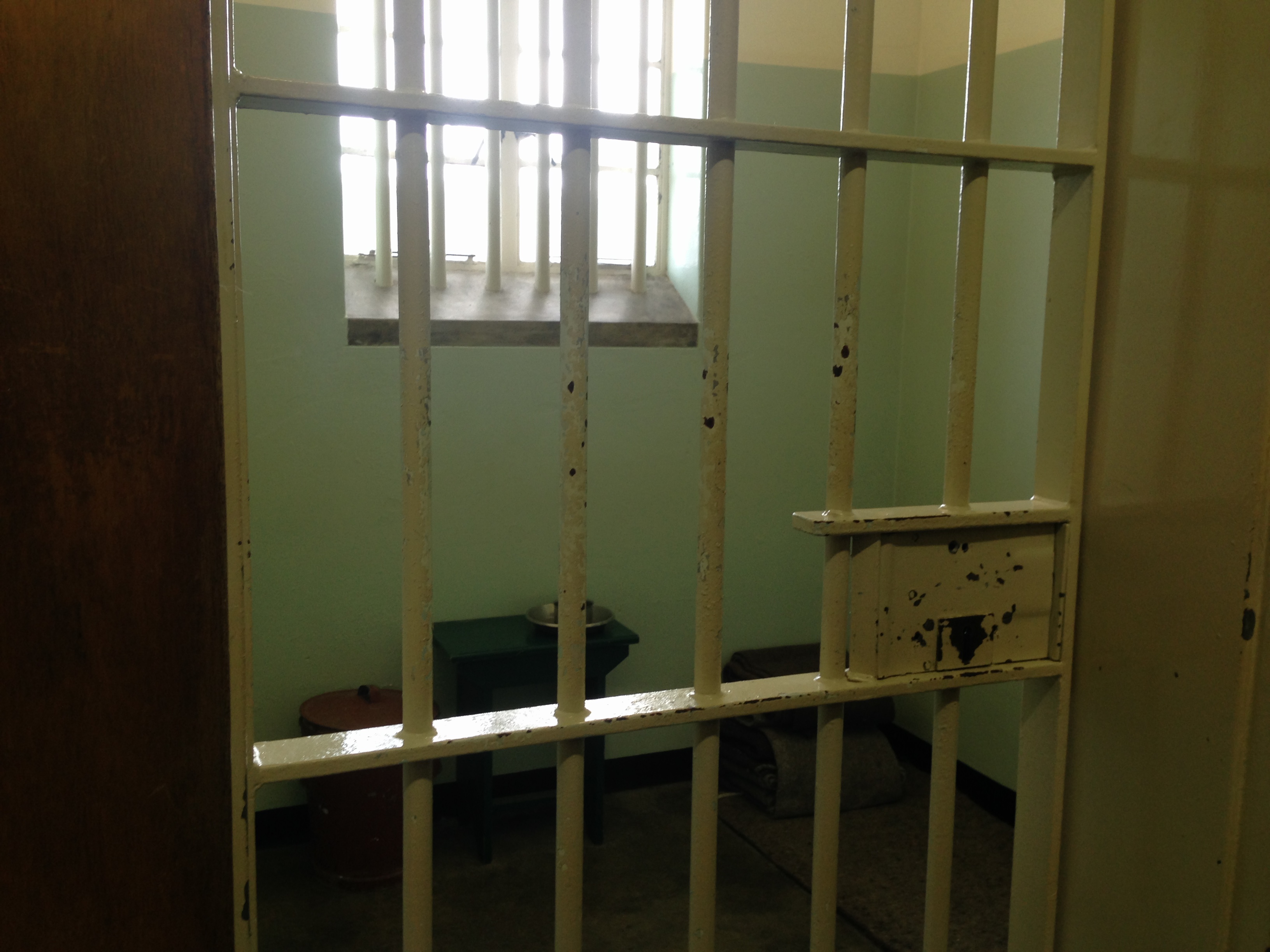
Nelson Mandela served 27 years in prison

He spent his time in a damp concrete cell measuring 8 feet by 7 feet, with a straw mat on which to sleep.

Robben Island and Nelson Mandela

IMG_0459 IMG_0452 IMG_0451


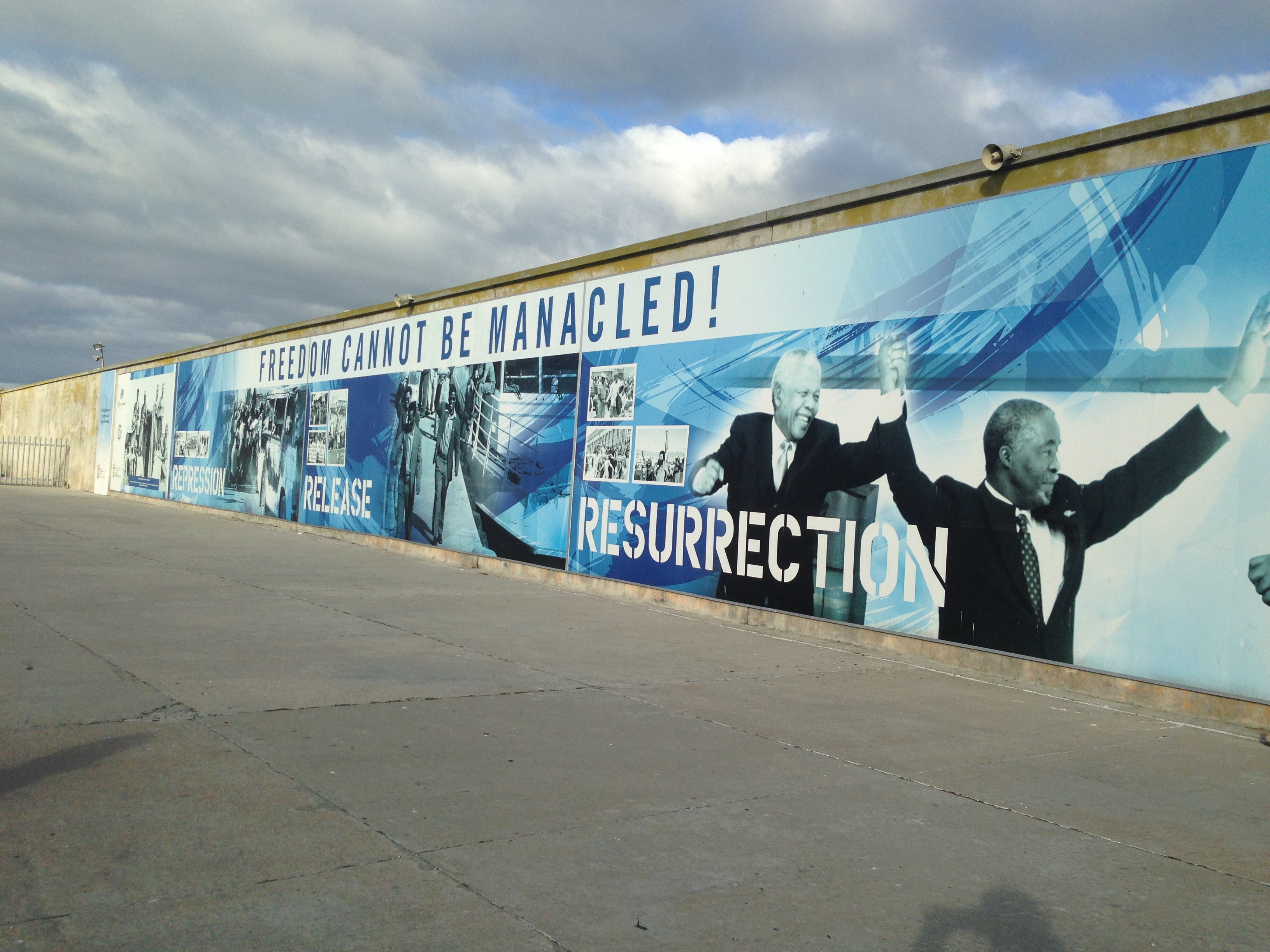
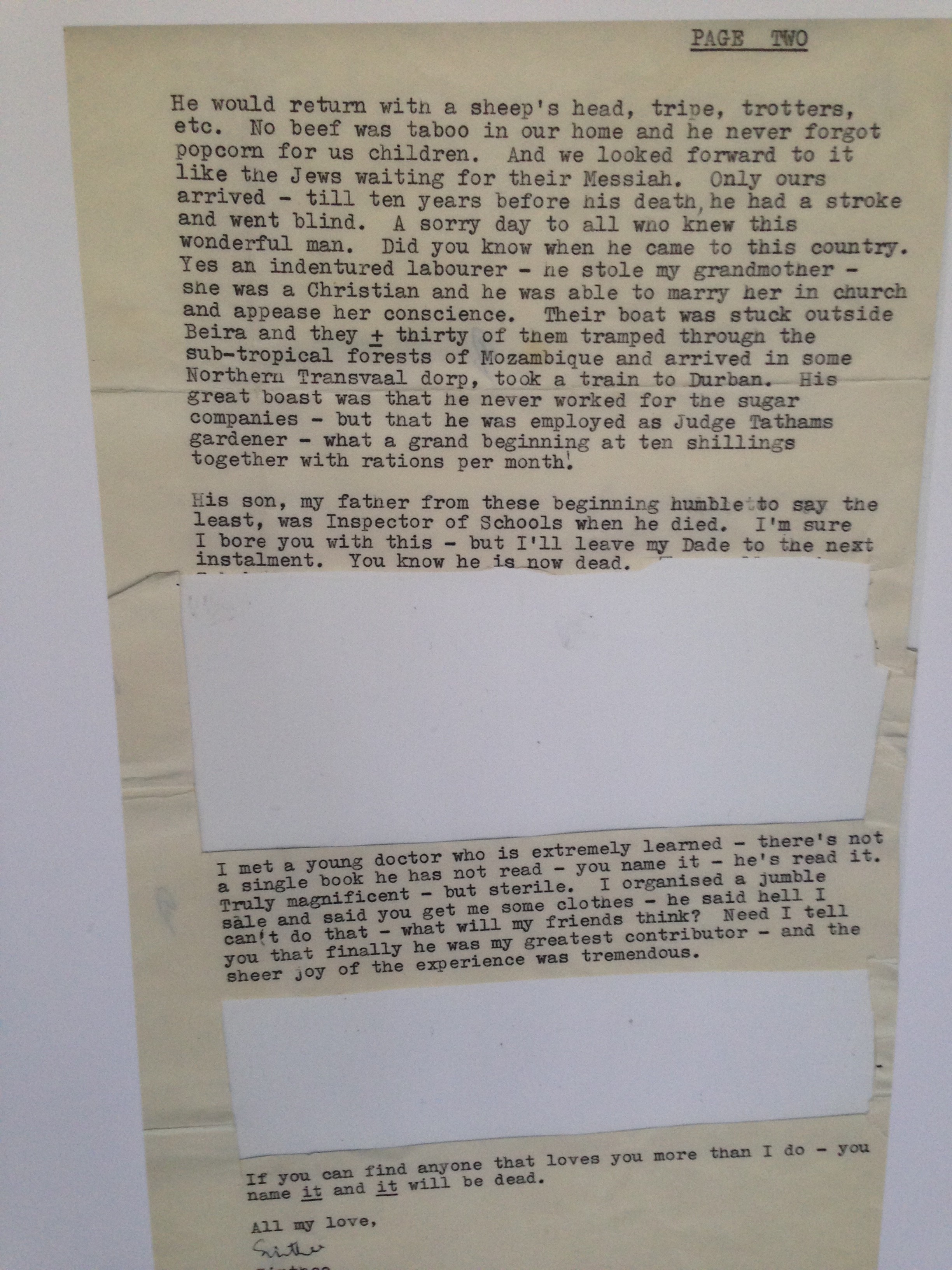
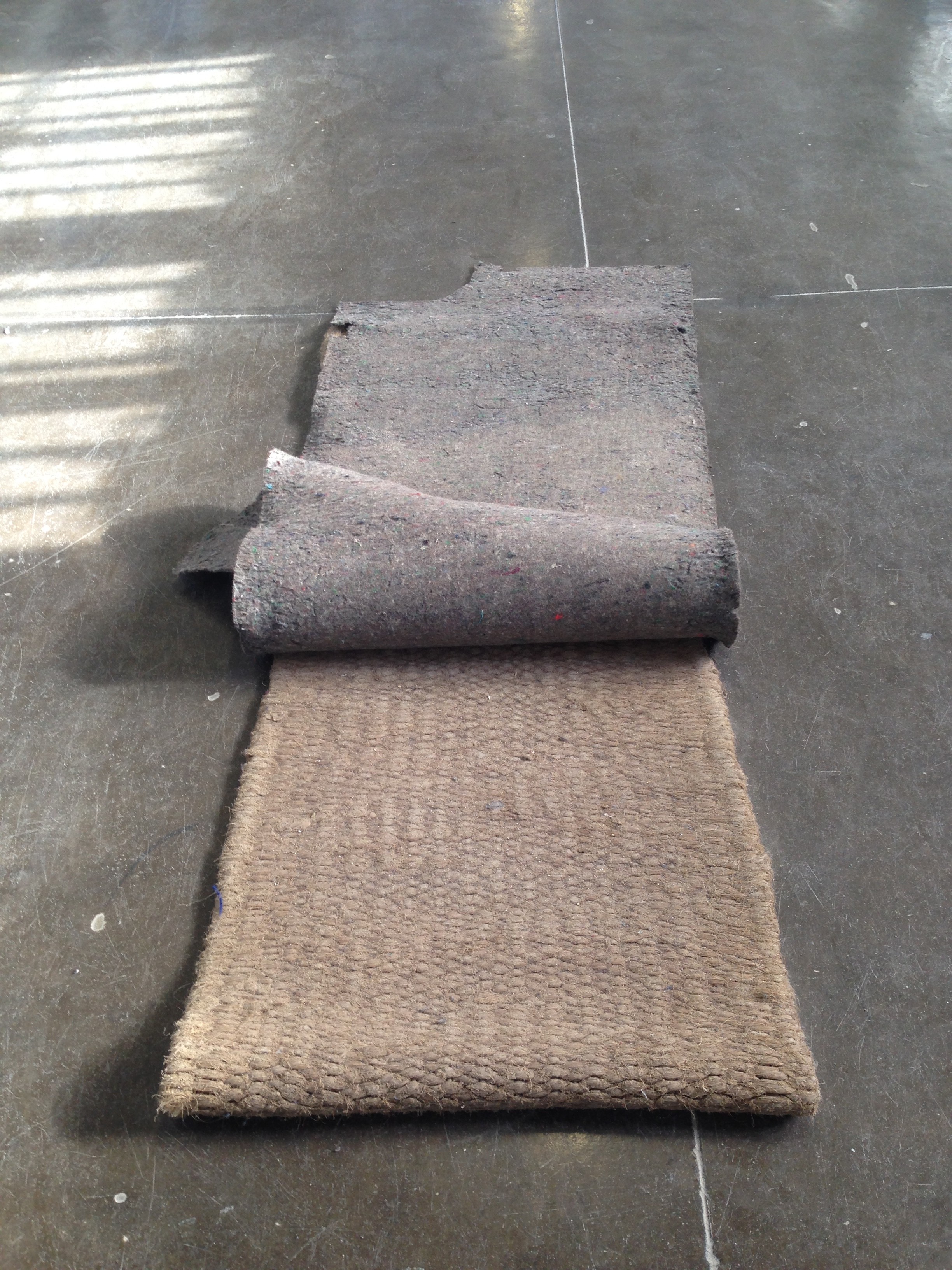
We headed to Robben Island, located just off the coast of Cape Town, contains the notorious prison that once held Nelson Mandela. On our tour we learned that the political prisoners who were held here were treated very poorly. Many of the prisoners slept in small cells that held as many as 30 people who slept on the floor with thin mats. It was very difficult for the prisoners to have visitors and all of their letters were censored for political information. Some political prisoners like Mandela, who were regarded as leaders during apartheid, were held in single cells.

Our tour guide was Jama, who held at the prison from 1977-1982. He was arrested as high school student for organizing a protest in Port Elizabeth and then taken to Robben Island. Jama was at the prison in the years that Mandela was held.

The picture at the top left shows how the letters coming into the prison were censored for political information.

The picture on the right is the mats prisoners were given.

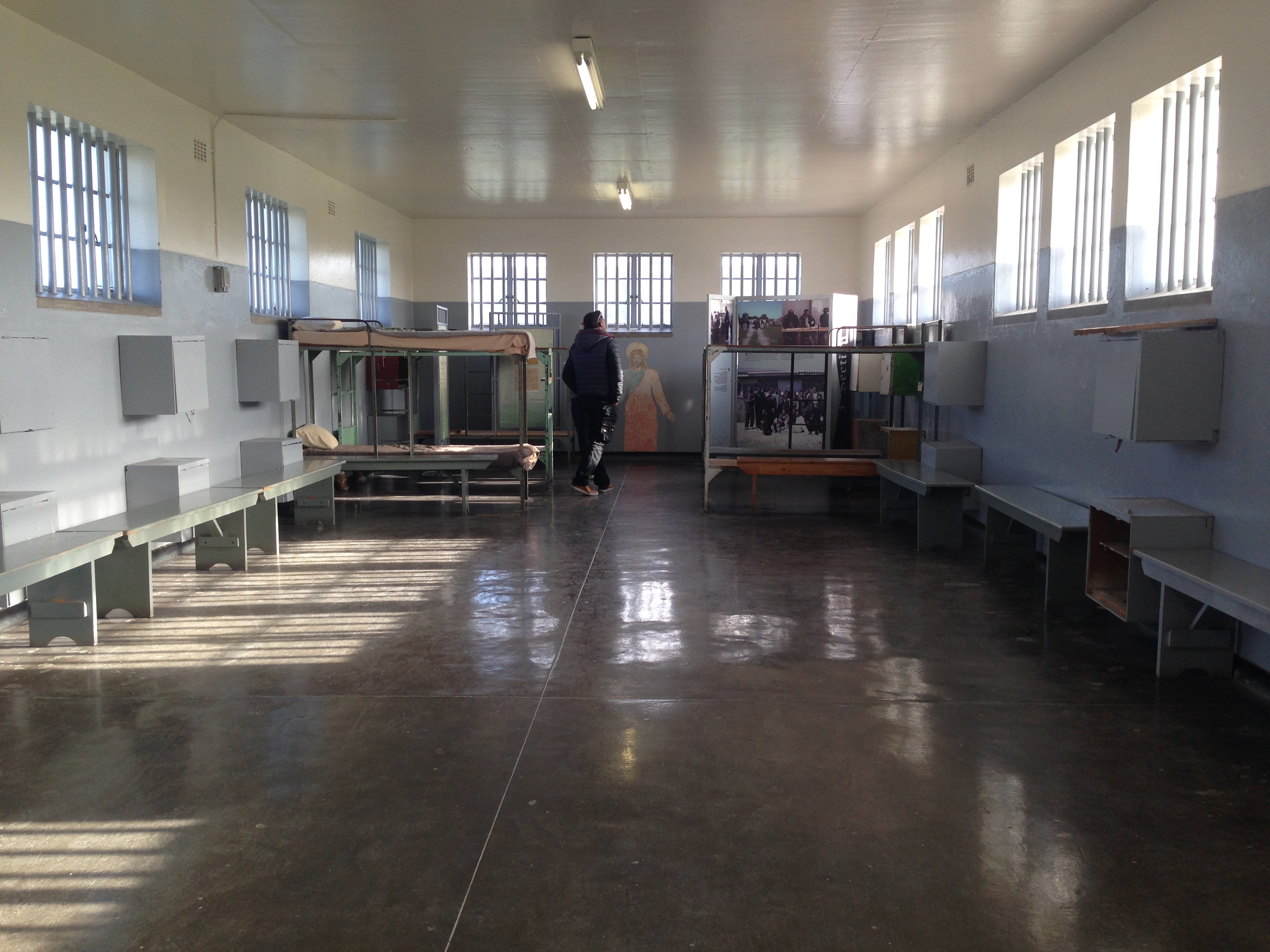
The bottom picture shows a large cell that held about 30 people.


Table Mountain

IMG_0419IMG_0417IMG_0425

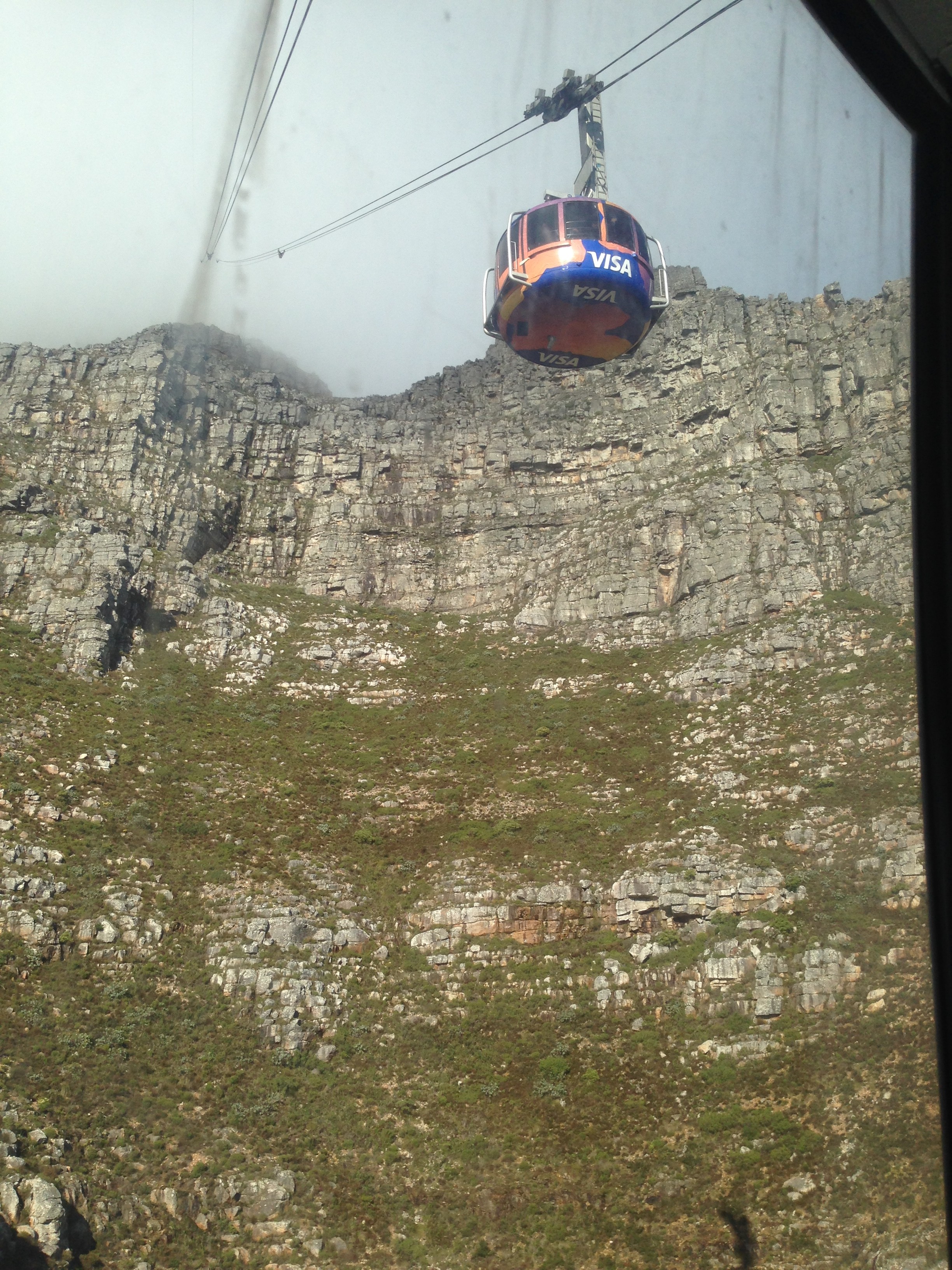
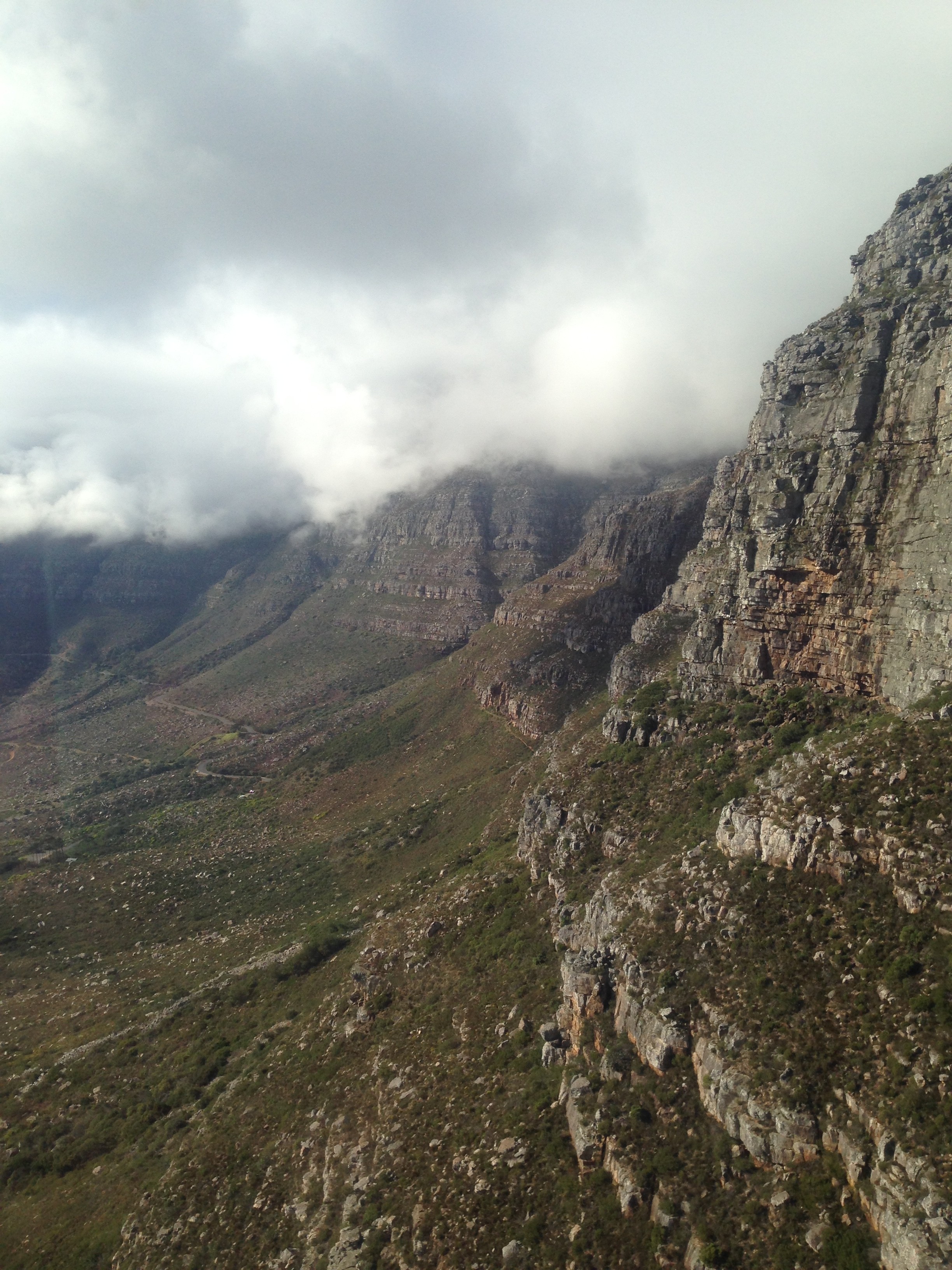
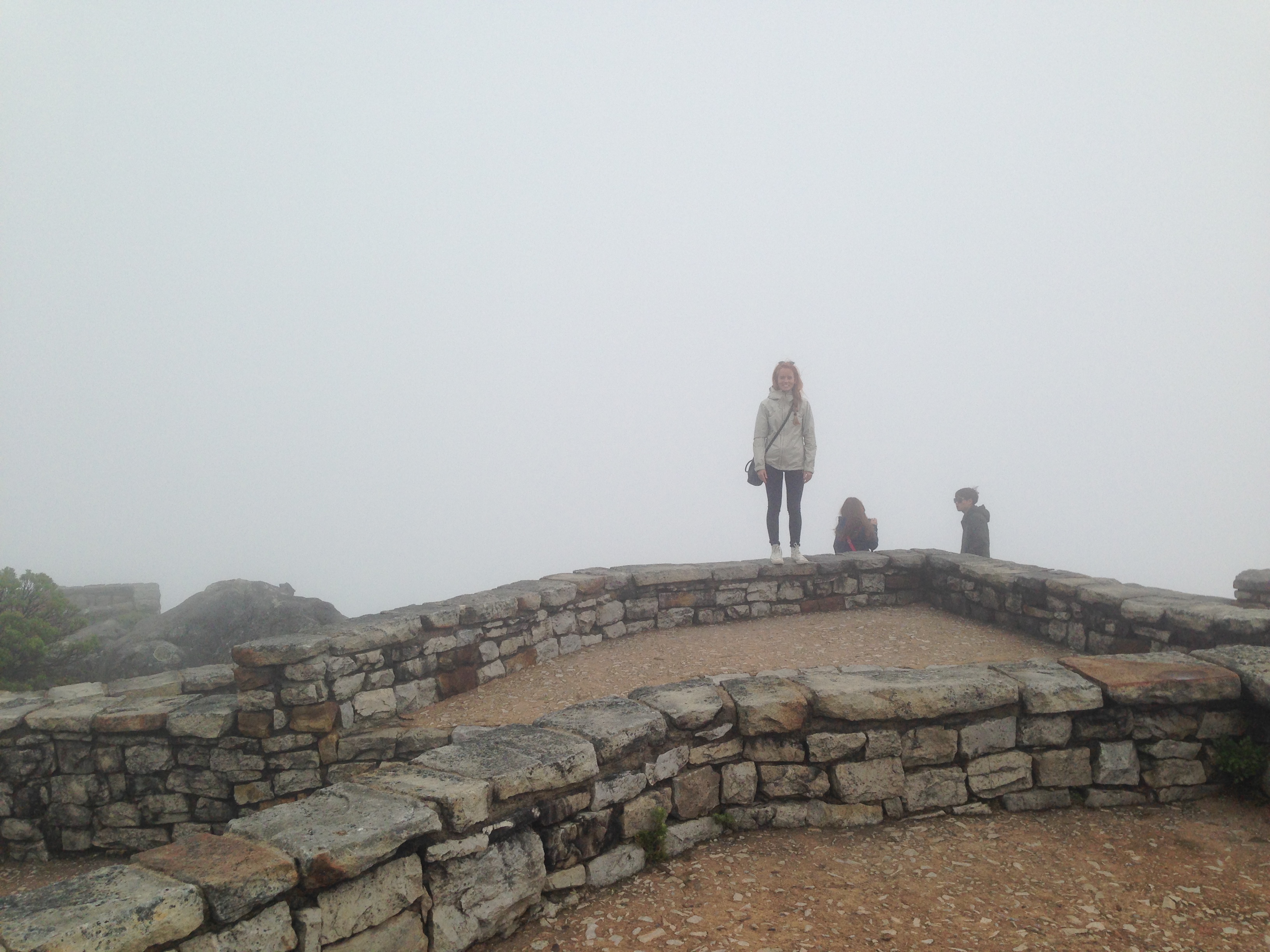
We started our first day in Cape Town by heading up to the cable car at Table Mountain. Table Mountain is this really scenic mountain located in the center of Cape Town. The weather was not ideal. The woman at the ticket kiosk informed us that it was very cold at the top and there was zero visibility. She asked if we still wanted to go up and we said “yeah sure”. She then proceeded to ask me if I would like a child’s or adult’s ticket. The view from about halfway was great, the top was definitely foggy. At the top I learned that you also have the option of repelling down the mountain. Mom had to drag me back onto the cable car :/

A LIST OF SOUTH AFRICAN ENDANGERED WILDLIFE

CAPE VULTURE

Status: Vulnerable

Major threats
Loss of habitat, electrocution on pylons or collision with cables and unintentional poisoning

CHEETAH

Status: Vulnerable

Major threats

Loss of Habitat

AFRICAN WILD DOG

Status: Endangered

Major Threats 

Humans

Sadly there are less than 450 painted dogs left in South Africa.

SOUTH AFRICAN PENGUIN

Status: Endangered

Major Threats

Overfishing in the colony areas, resulting in mass migration and starvation


THE RAINBOW NATION

IMG_0509IMG_0407

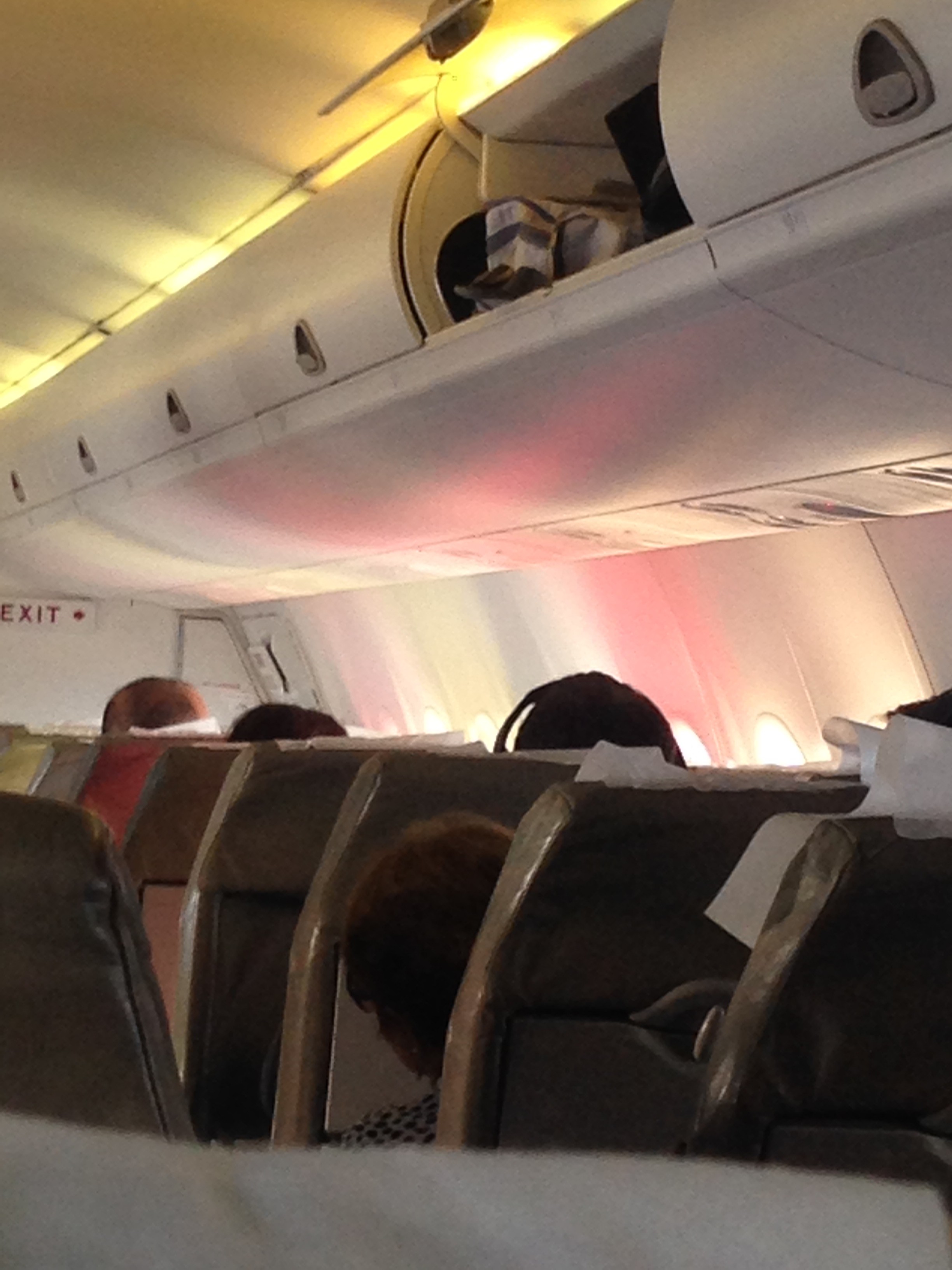
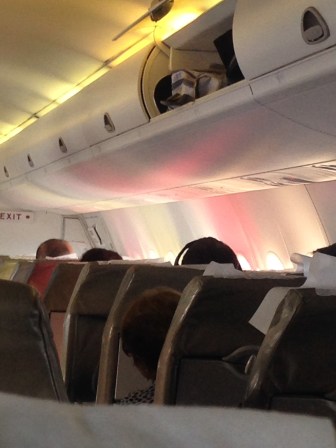
A rainbow reflection on our flight from Kruger to Cape Town

-South Africa is referred to as the RAINBOW NATION.

-A term coined by archbishop Desmond Tutu.

-The term was intended to capture the multiculturalism and the coming-together of people of many different nations, in a country once identified with the strict division of white and black.

The original inhabitants were the hunter-gatherer San Bushmen. There are only a few of these people remaining in the Northern Cape, but their rich heritage lives on through their ancient rock art. They remain a proud part of the South Africa’s Rainbow Nation.

When the pastoral Khoi appeared 2 000 years ago they brought farming with them. Unlike the San, who did not live in a hierarchical society, the Khoi had a complex social structure. The name Khoisan is an integration of the two names of the first inhabitants of southern Africa.

The next to arrive were black migrants from sub-Saharan Africa, especially from the Great Lakes and Congo regions. They settled mainly in the northern and eastern parts of present-day South Africa and where they came into contact with the Khoisan, they pushed them west into the drier regions of the Northern Cape. These new arrivals morphed into the various South African tribes that thrive today, including Sotho, Tswana, Xhosa and Zulu.

The Rainbow Nation took on more colour when the Dutch arrived in 1652 and the British in the latter part of the 18th century. The Dutch brought slaves from the East Indies, who eventually became the so-called ‘coloured’ people of South Africa, added to by cross-racial liaisons.

A small but influential French group escaping religious persecution in France arrived in the late 17th century and were assimilated into the Dutch population. They were followed, after the discovery of mineral wealth, by representatives of nearly every society on Earth. And mining and sugar cane farming brought Indians and Chinese, who settled mainly in KwaZulu-Natal and Johannesburg.

For nearly 350 years South Africa history was defined by clashes and racial oppression. But that changed with the first democratic elections of 27 April 1994 when all truly became people of the Rainbow Nation

http://www.southafrica.net/za/en/articles/entry/article-southafrica.net-south-africas-rainbow-nation
 

SCORE

IMG_0409

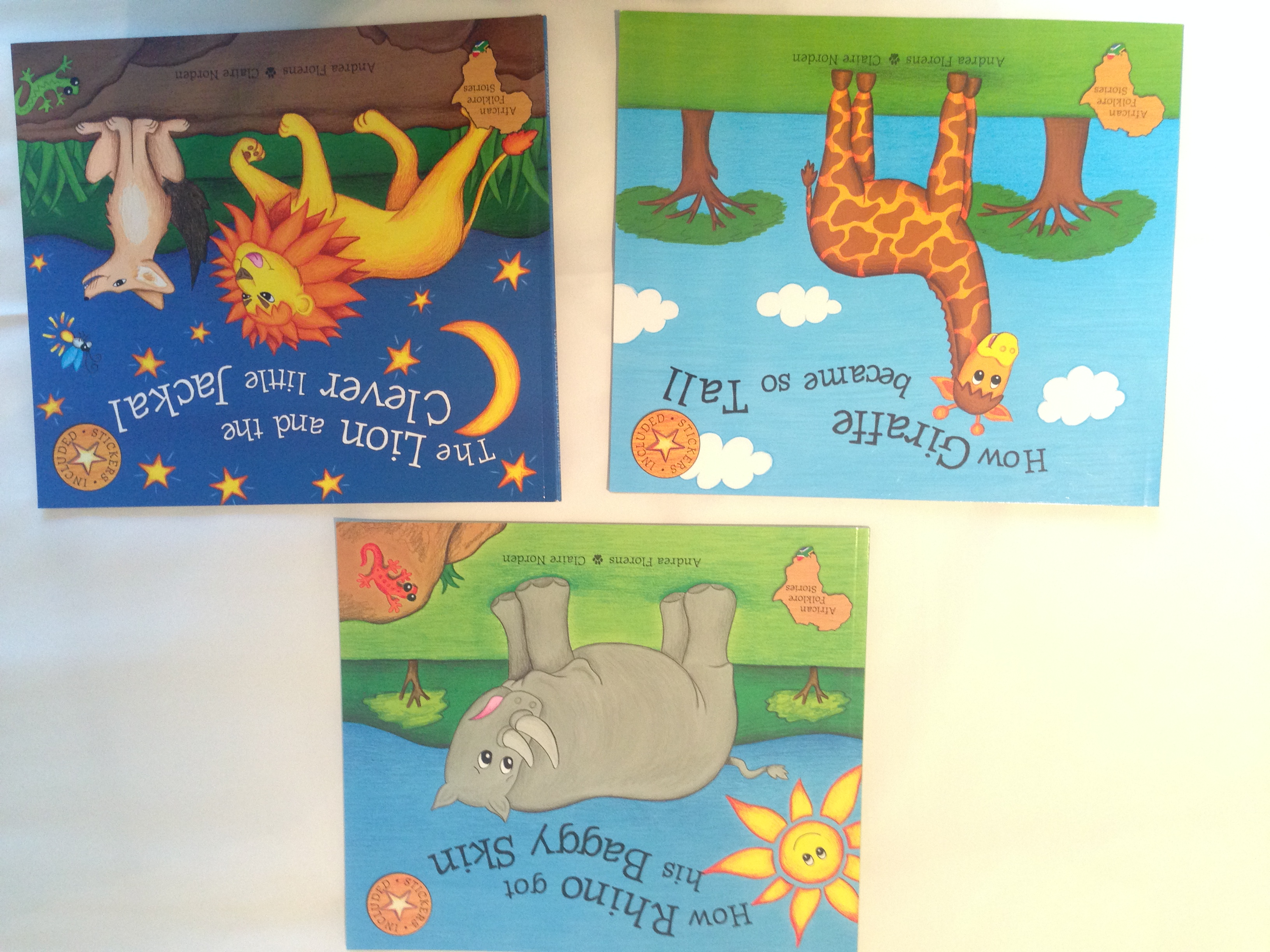
Scored a few African Folklore Stories up in Kruger.  “How the Rhino go his Baggy Skin”, “How Girraffe Became So Tall”, and “The Lion and the Clever Little Jackal”.  These books include topics such as adaptations and animal relationships!  Here we go 1st grade!

FOOD

Many of you have asked me about the food…I like where your heads are at!

The first night we tried a Kudu steak. Kudu is a massive antelope-ish creature. The second night we tried ox tail (exactly what it sounds like). It kind of reminded me of ribs but with an interesting consistency. Wasn’t my favorite. A frequent side dish is pap, which is maiz meal and reminds me a lot of grits. Last night I had Zimbawean Dovi which is chicken, spinach, and rice, in a peanut and curry sauce.. it was my favorite.  More to come!